Functional scope
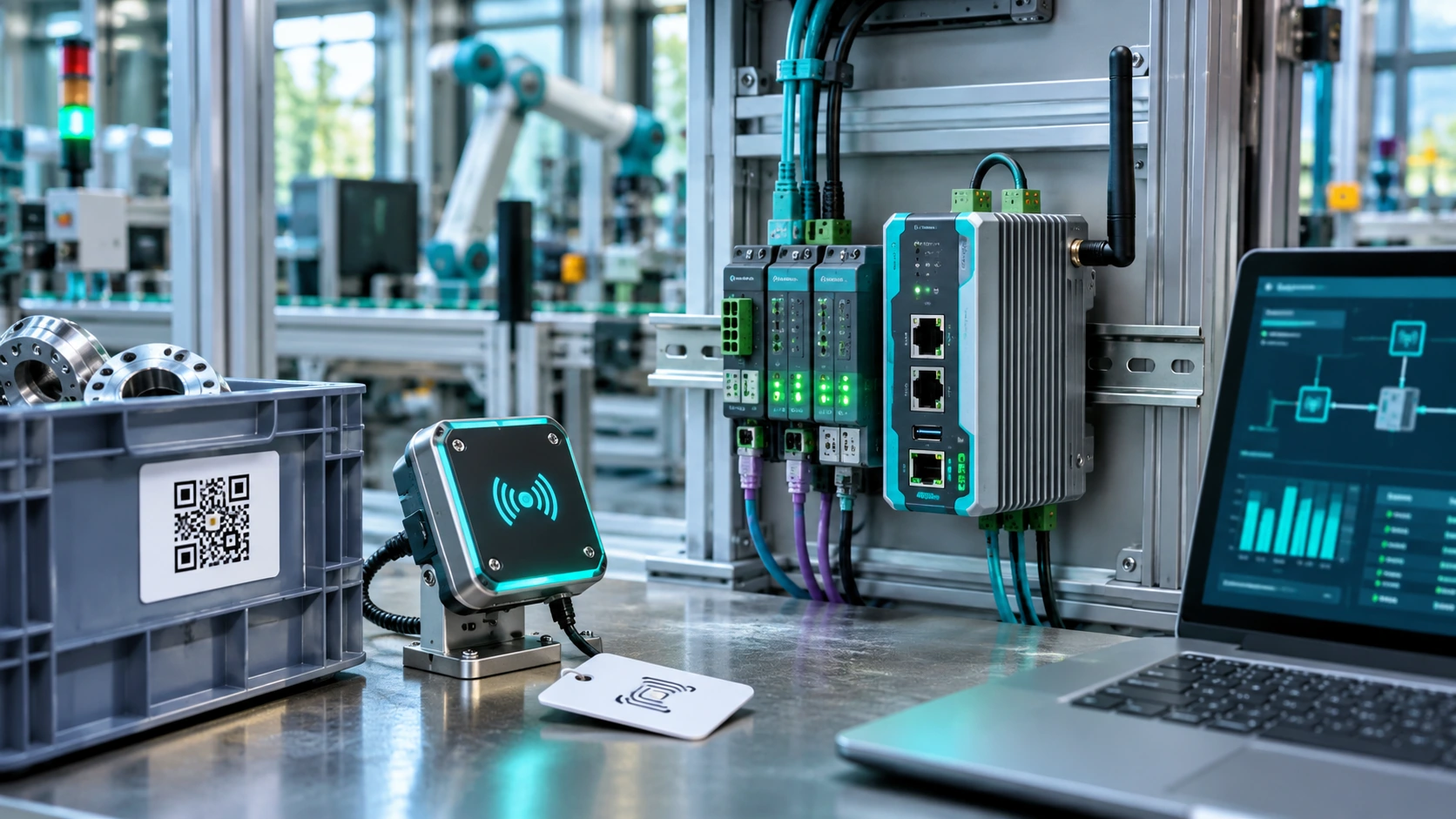
Gateways acquire data through suitable protocols and link device, measurement-point, facility, lot or business-event IDs. QR, NFC or RFID may be selected for identification based on requirements; each has distinct characteristics and conditions of use.
Integration architecture
Define identifiers, lifecycles and mapping rules for records. Gateways acquire readings, validate source and units, synchronize clocks, buffer, track connectivity and control duplicates; the platform manages configurations, versions, access, updates and logs.
Practical applications
Connect measurement points, production areas, warehouses, assets and lots; authorized APIs share information with web/mobile apps, maps and other systems. QR/NFC/RFID and blockchain support traceability but do not automatically validate underlying factual data.
Testing and transfer
Test identifier mapping, event recording, resynchronization, duplicates/errors and permissioned queries. Check device registration and updates, history completeness and transfer procedures; deliver identification documentation, gateway configurations, limitations and operational guidance.
References
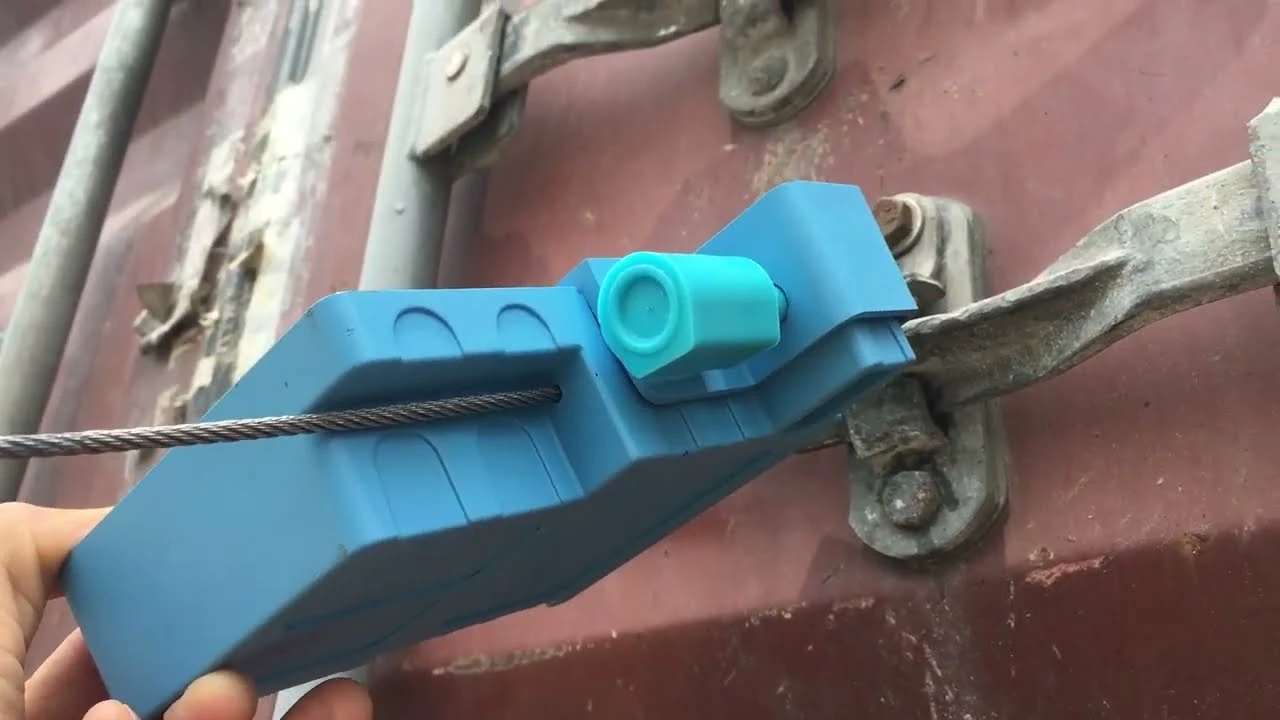
DGK archive articles 64 and 185 describe code management, traceability and data sharing; 65 describes IoT design, blockchain and applications; archived videos 190 and 207 refer to electronic and tracking seals. NFC/RFID and gateways are configurable options, with no unsupported specification claims.