Overview
Amid climate change and water scarcity, DGK offers alternate wetting and drying management to promote sustainable water use in rice cultivation. It aims to reduce irrigation demand and monitor conditions relevant to greenhouse gas emissions, contributing to sustainable farming.
Solution value and capabilities
Water savings: Monitor irrigation volume and compare it with baseline data to evaluate potential savings.
Methane emission reduction: Monitor wetting and drying conditions to support methane assessment using accepted MRV methods and data; actual reductions depend on fields and seasons.
Crop yield improvement: Evaluate impacts on yield and disease risks using field-, rice variety- and season-specific data.
Functional scope
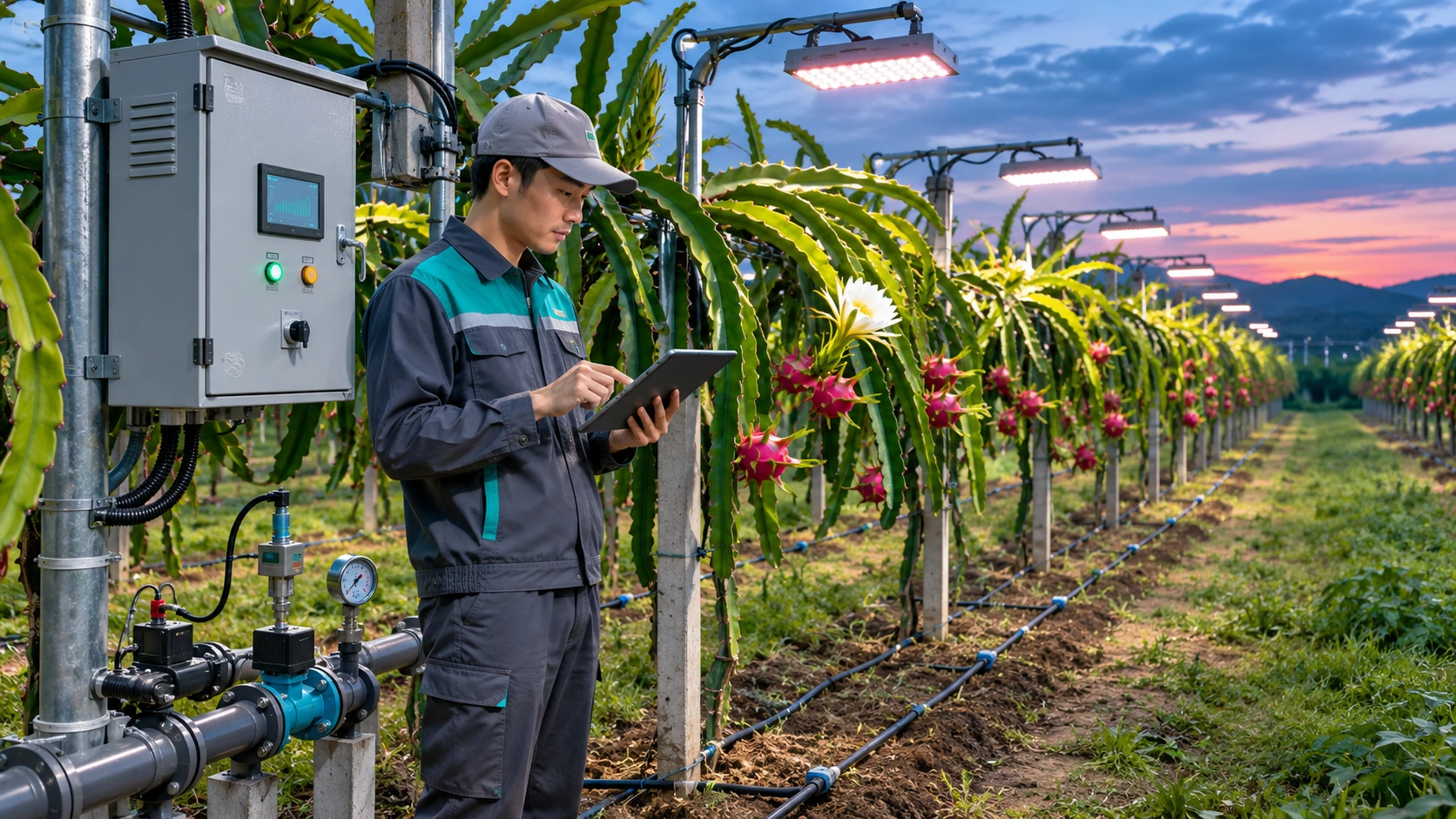
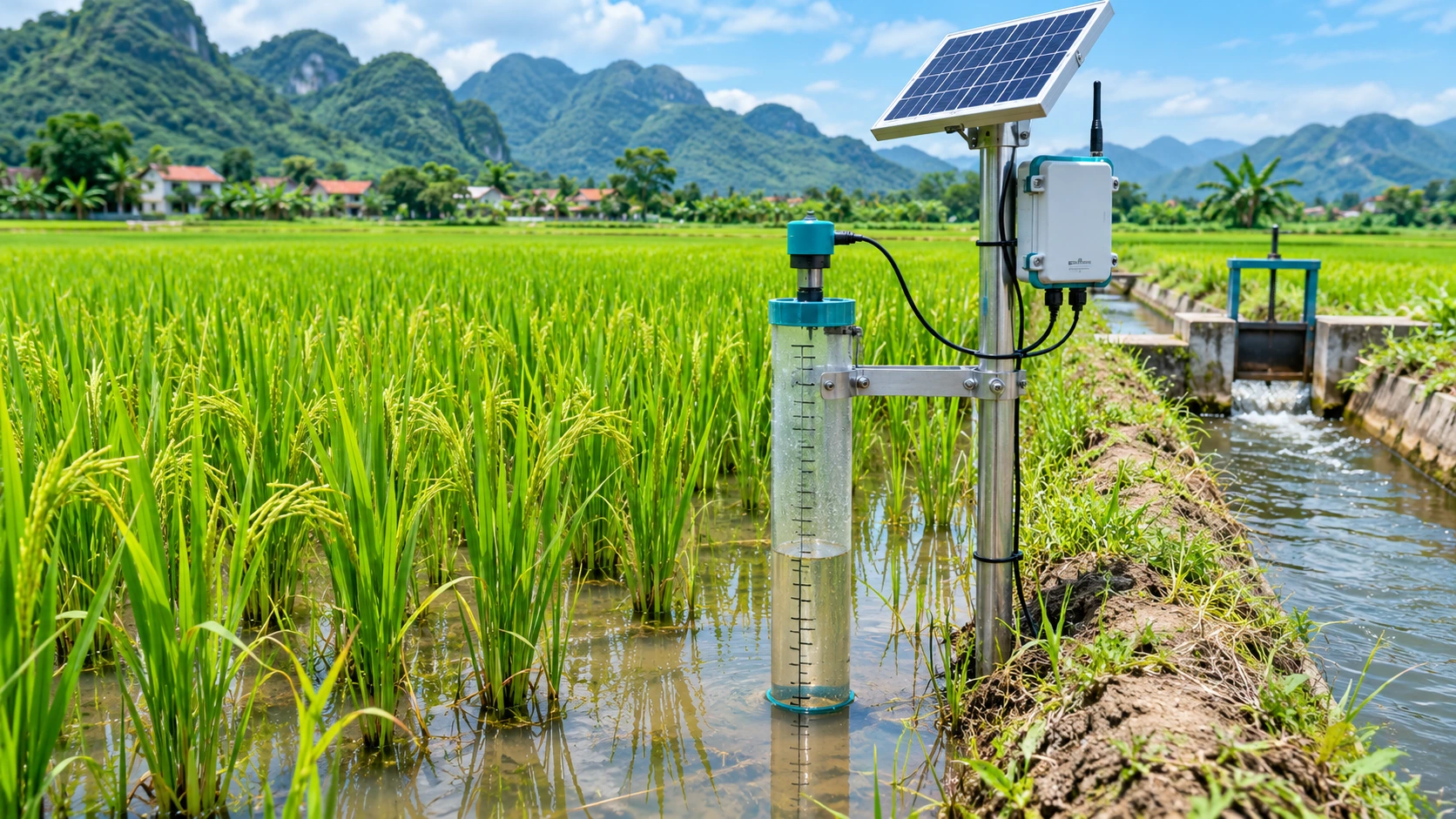
The solution includes water-level sensors, software for storing suitable levels at different rice growth stages, and internet-connected automatic irrigation controllers, helping manage water levels under cultivation procedures defined by specialists.
Application areas
Potential applications extend from agriculture to water resource management, environmental protection and sustainable farming in different countries.
Expected outcomes
Water resource management: Help address water shortages, particularly amid climate change.
Environmental protection: Help mitigate environmental impacts by reducing greenhouse gas emissions where outcomes are demonstrated.
Agricultural risk management: Help manage risks associated with changes in weather and disease conditions.
Implementation process
DGK collaborates with clients from planning and deployment to ongoing support, aiming for effective application and suitable outcomes.
Integration design
Install water-level sensors by field, recording measurement time, growth stage and irrigation logs. Synchronize data with irrigation operations and manage thresholds under specialist agronomic guidance and actual conditions.
Acceptance and handover
Verify sensors, controls, data completeness and network outage scenarios. Analyze water use, yields and activity records for MRV under accepted methods; emission reduction outcomes require independent verification if used for certification.