Overview
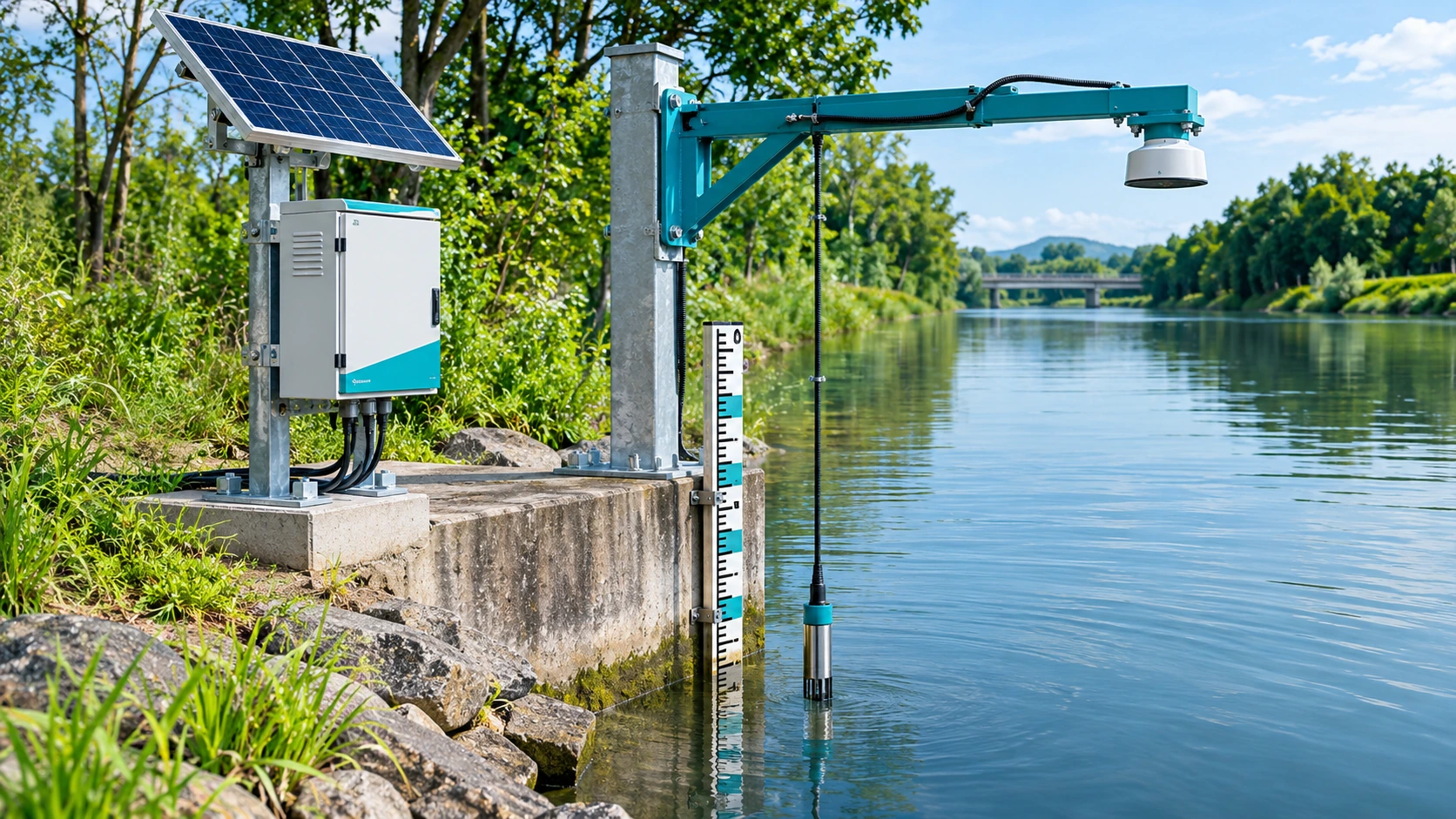
Digital Kingdom (DGK) introduces smart water-level sensors for continuous, flexible monitoring. Designed for environments ranging from rivers, lakes and tanks to flood-prone areas, the solution provides real-time water-level data to support data-informed decisions.
Solution value and capabilities
Accuracy and reliability: Historical solution documentation proposes an error margin of ±1 cm; actual specifications depend on the sensing method, range, installation environment and calibration results.
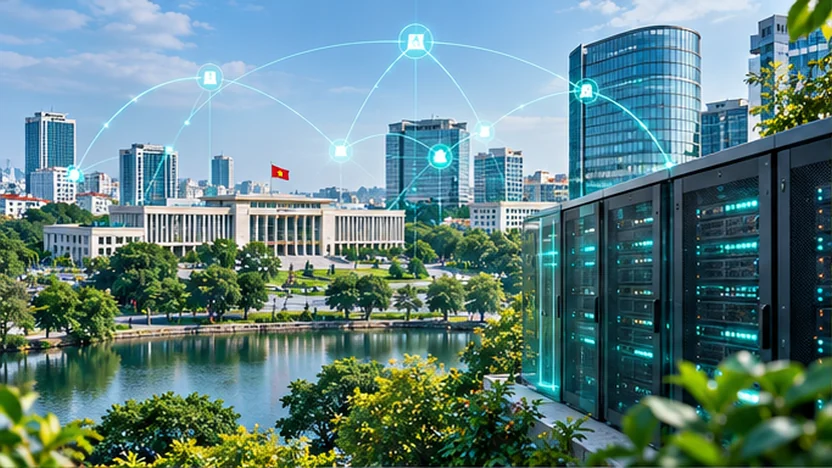
Cross-platform monitoring: Access data through a mobile application or web interface, with Android, iOS and SaaS-compatible options.
Timely alerts: Receive notifications of water-level fluctuations by SMS or email to help respond proactively to changing conditions.
Functional scope
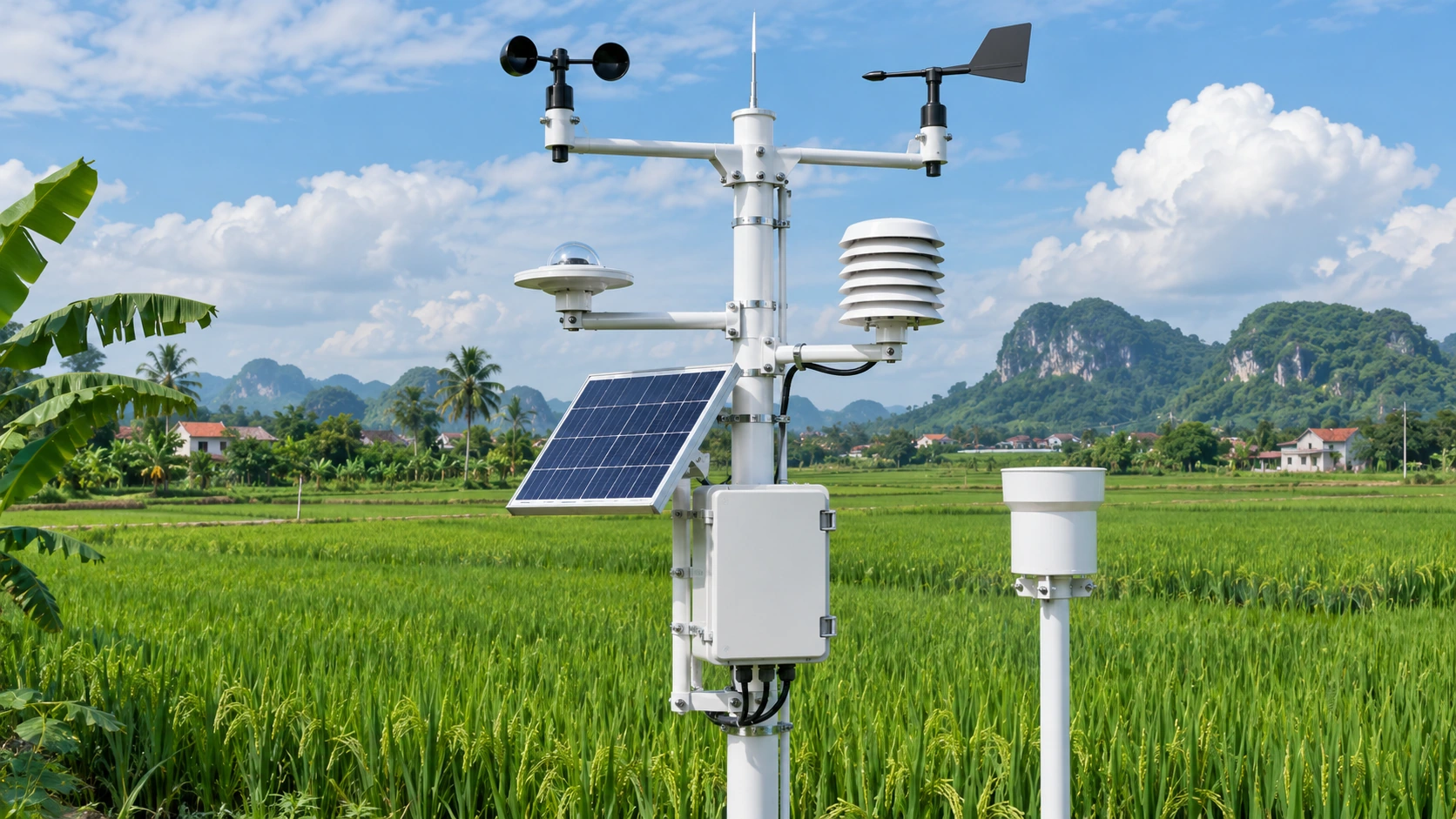
The solution combines sensor technology and visual management software for accurate, continuous monitoring. Solar power is an option; power supply, enclosure and communications must be designed for the environment.
Application areas
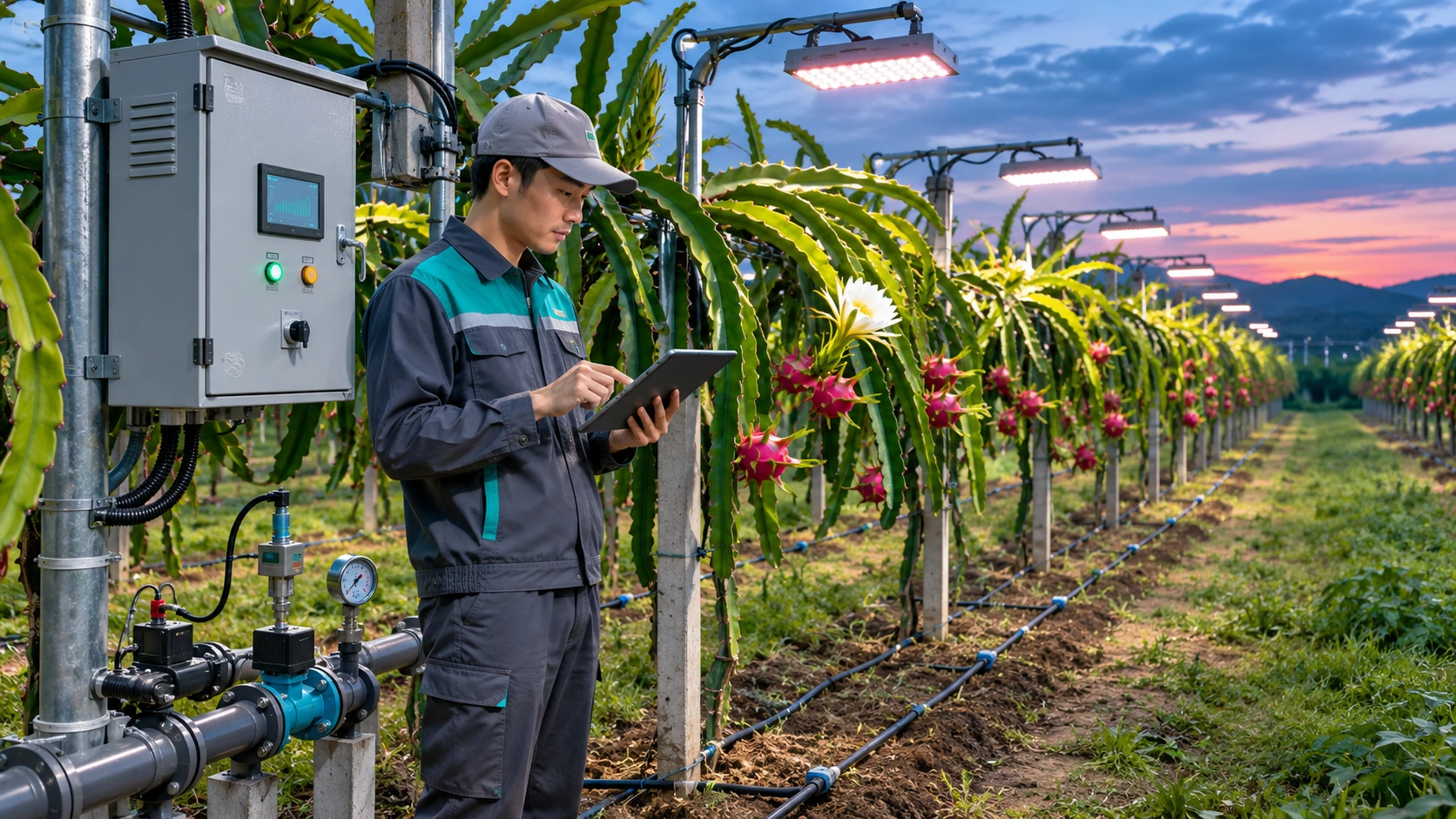
Potential applications include water resource management, weather forecasting, flood risk management, agriculture and environmental protection.
Expected outcomes
Cost and time optimization: Solar power and non-contact measurement may reduce operating and maintenance costs.
Financial benefits: Provide data to help reduce flood risks and improve water resource management.
Risk management: Support disaster risk prevention and reduction through early warning systems.
Implementation process
DGK supports planning, implementation, user training and maintenance, with the aim of delivering value and meeting specific client requirements.
Integration design
Select contactless measurement technology or probes appropriate to the range and geometry of the site. Devices store timestamped records and synchronize via suitable communications; charts, maps and alerts use approved thresholds.
Acceptance and handover
Compare sensor readings with reference marks or calibrated instruments, and check power and communications under expected conditions. Agree on alert handling, maintenance and operating limits; data do not replace decisions by competent disaster management authorities.