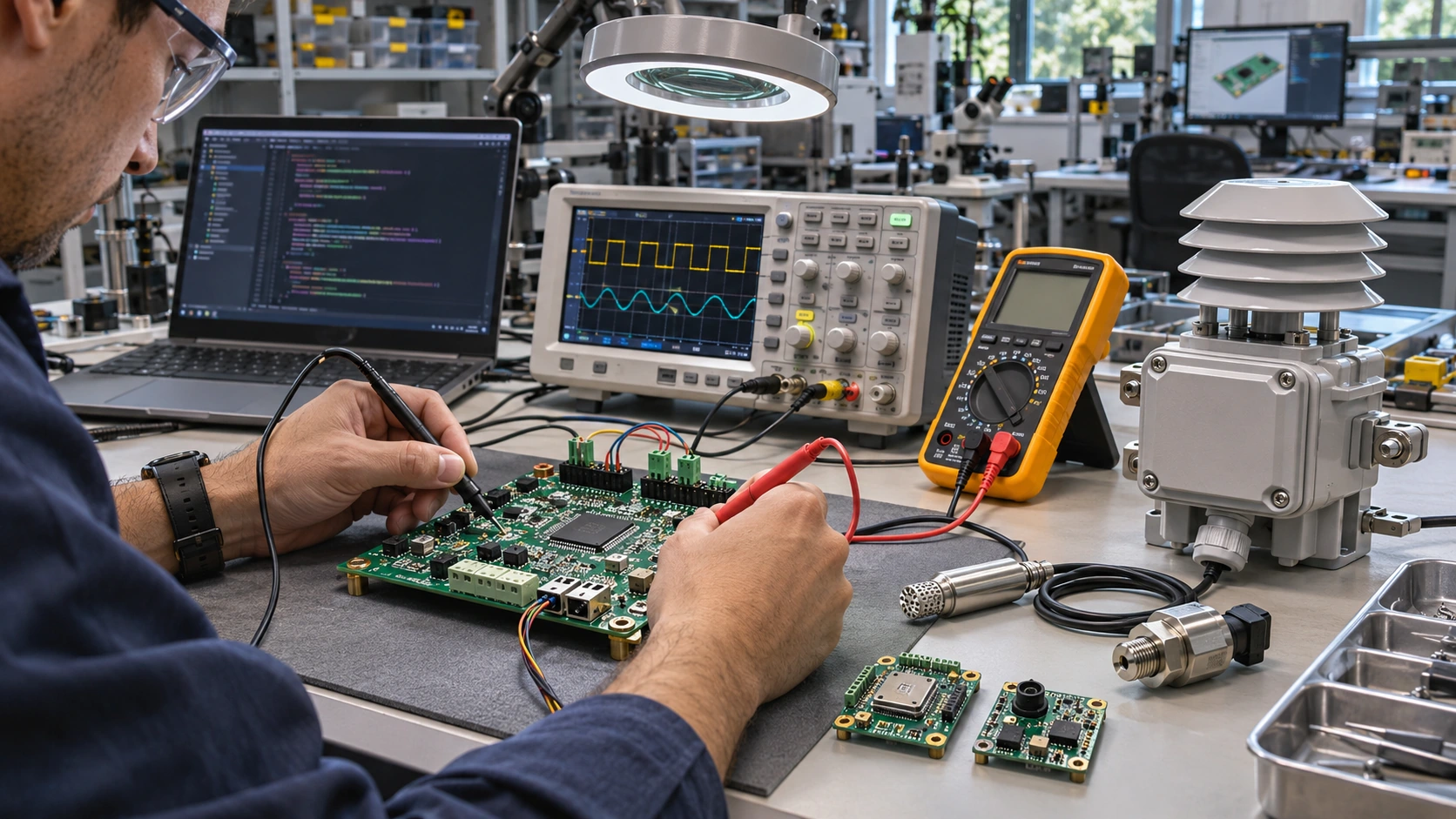
From requirements to devices
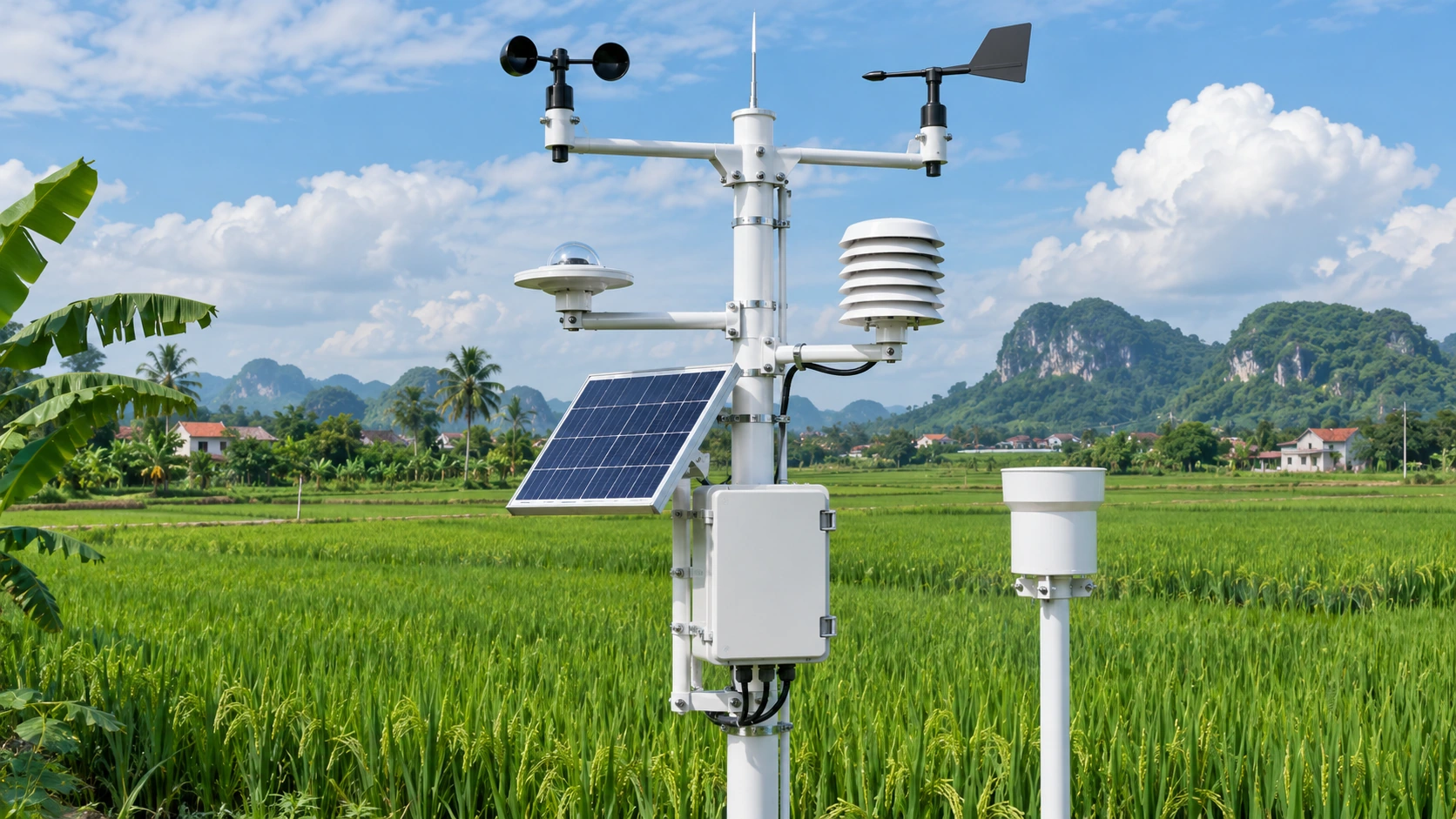
Jointly define measured variables, accuracy, range, sampling interval, operating period, installation conditions and maintenance requirements. Choose suitable commercial equipment or study customized hardware, firmware and enclosure configurations. Each configuration requires documentation, component sources and a calibration plan.
Connectivity and data
Devices can use 3G/4G mobile networks where supported, Wi-Fi, LoRa/LoRaWAN, Zigbee or suitable industrial protocols based on range, bandwidth and conditions. Gateways collect and normalize IDs, timestamps and units, buffer during outages and synchronize securely on recovery.
Application architecture
The hub manages device records, configuration versions, readings and data quality; it provides access controls, audit logs, APIs, maps, charts and alerts. Production logs, MRV, cold-chain, warehousing and resource management can be integrated where needed.
Testing and acceptance
Test prototypes and compare measurements against reference instruments; check power, connectivity loss, synchronization, time discrepancies, alerts, operation and maintenance. Deliver configuration lists, installation documentation, test results, calibration guidance and contractual support arrangements.
References
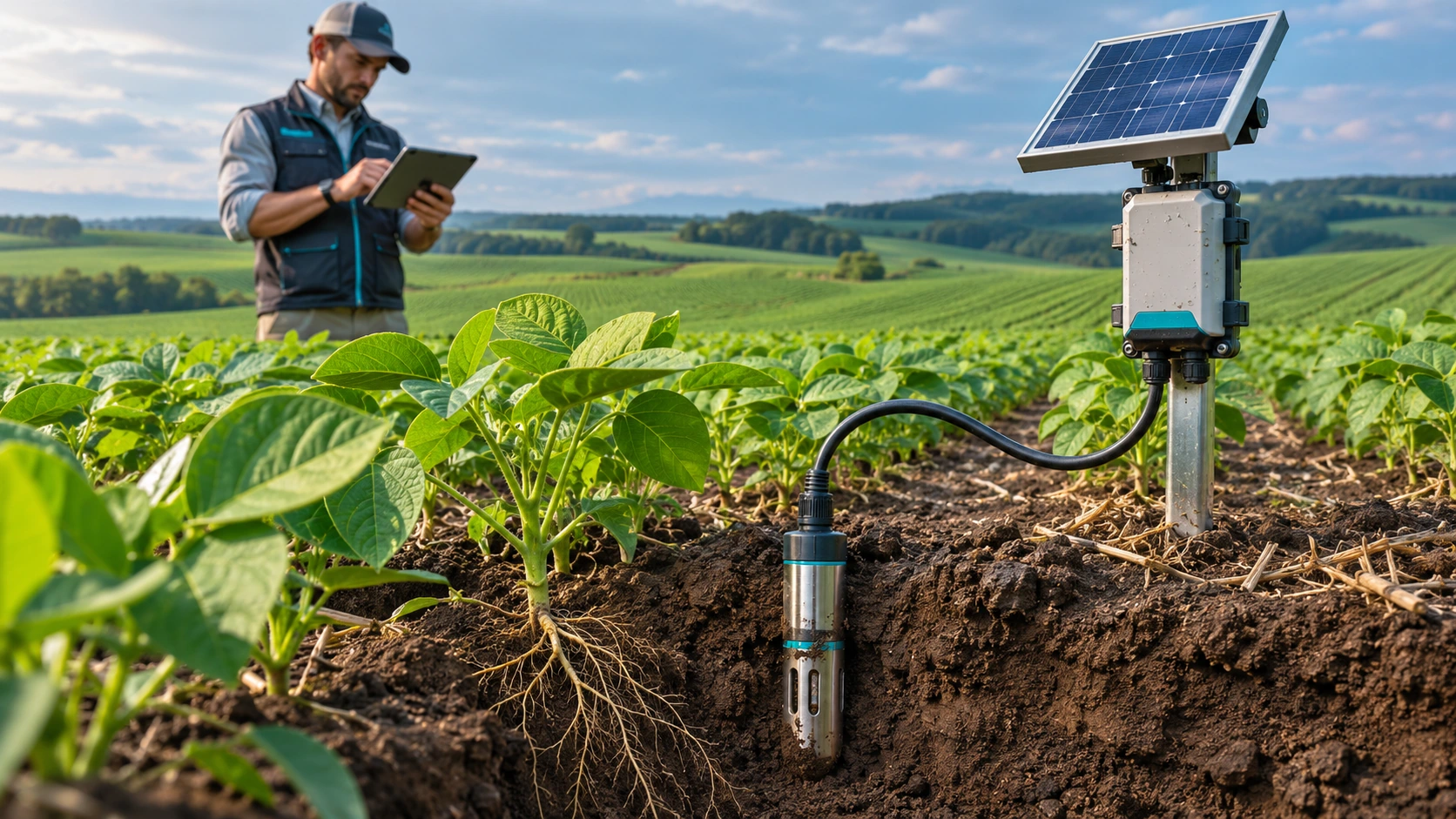
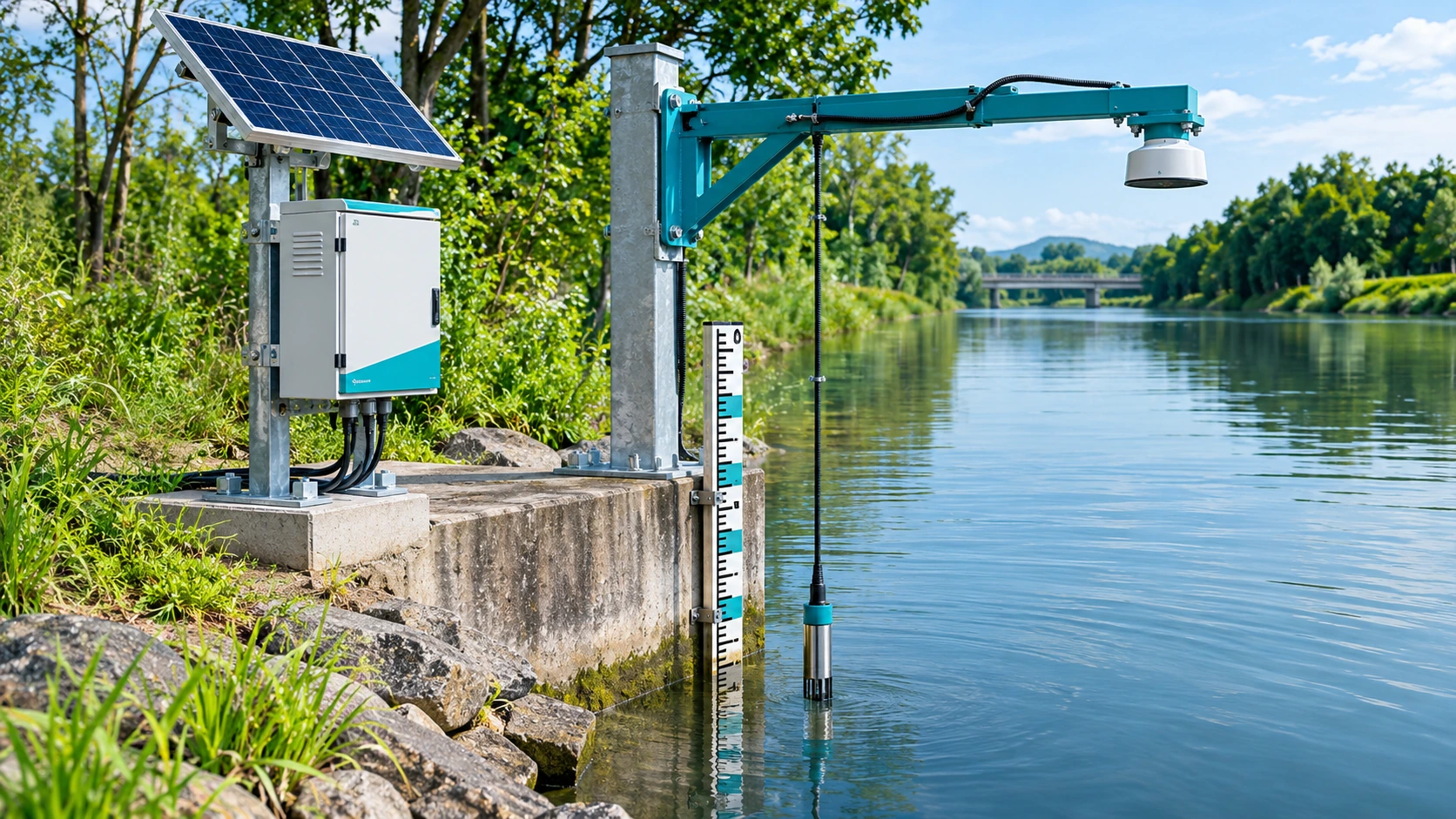
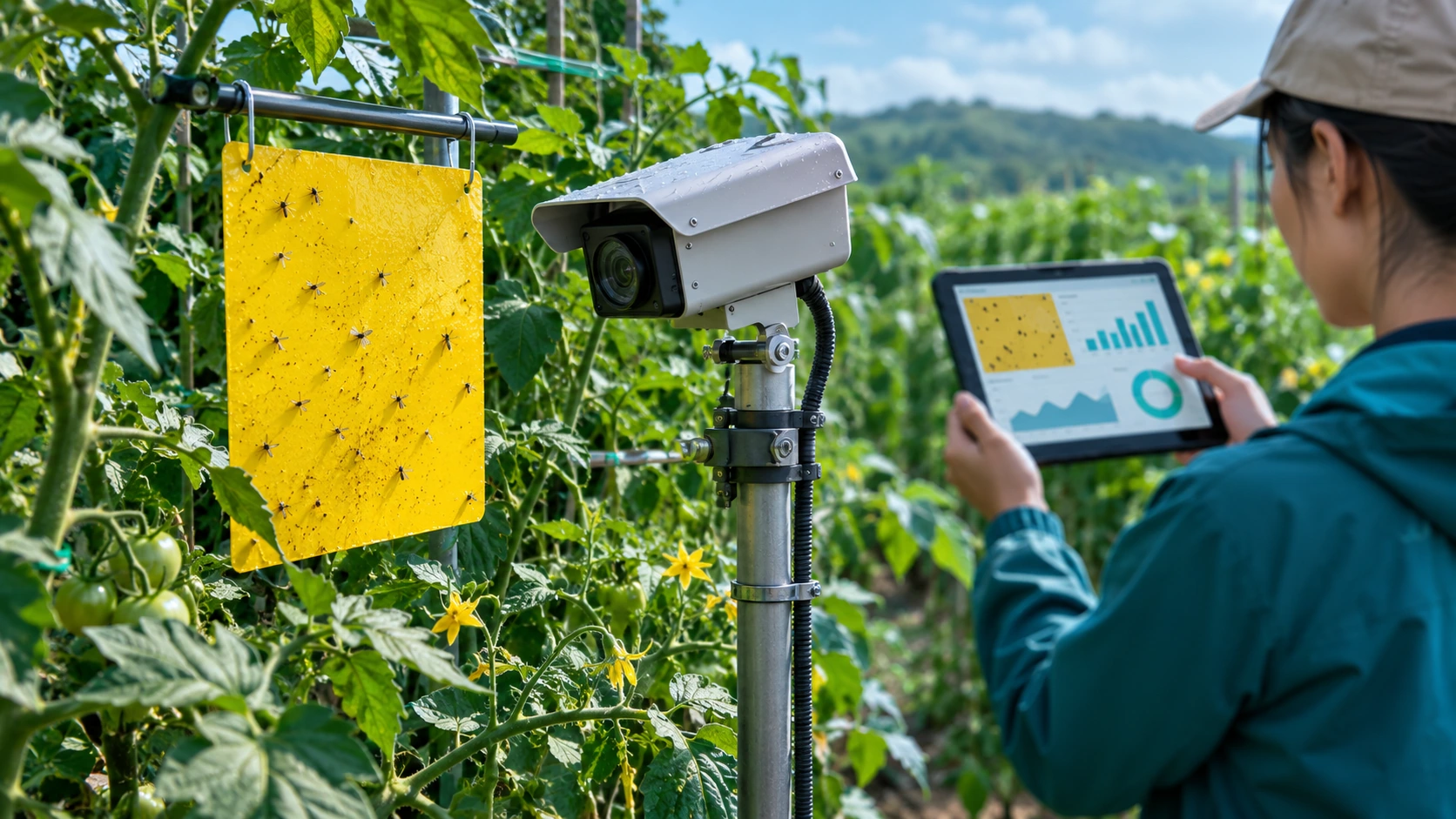
DGK archive article 65 lists IoT design and production; articles 102, 103, 104, 106 and 174 describe precision irrigation, water levels, insect surveillance and automated monitoring. The expanded architecture is a design approach, not confirmation of validated device configurations or mass production.