Functional scope
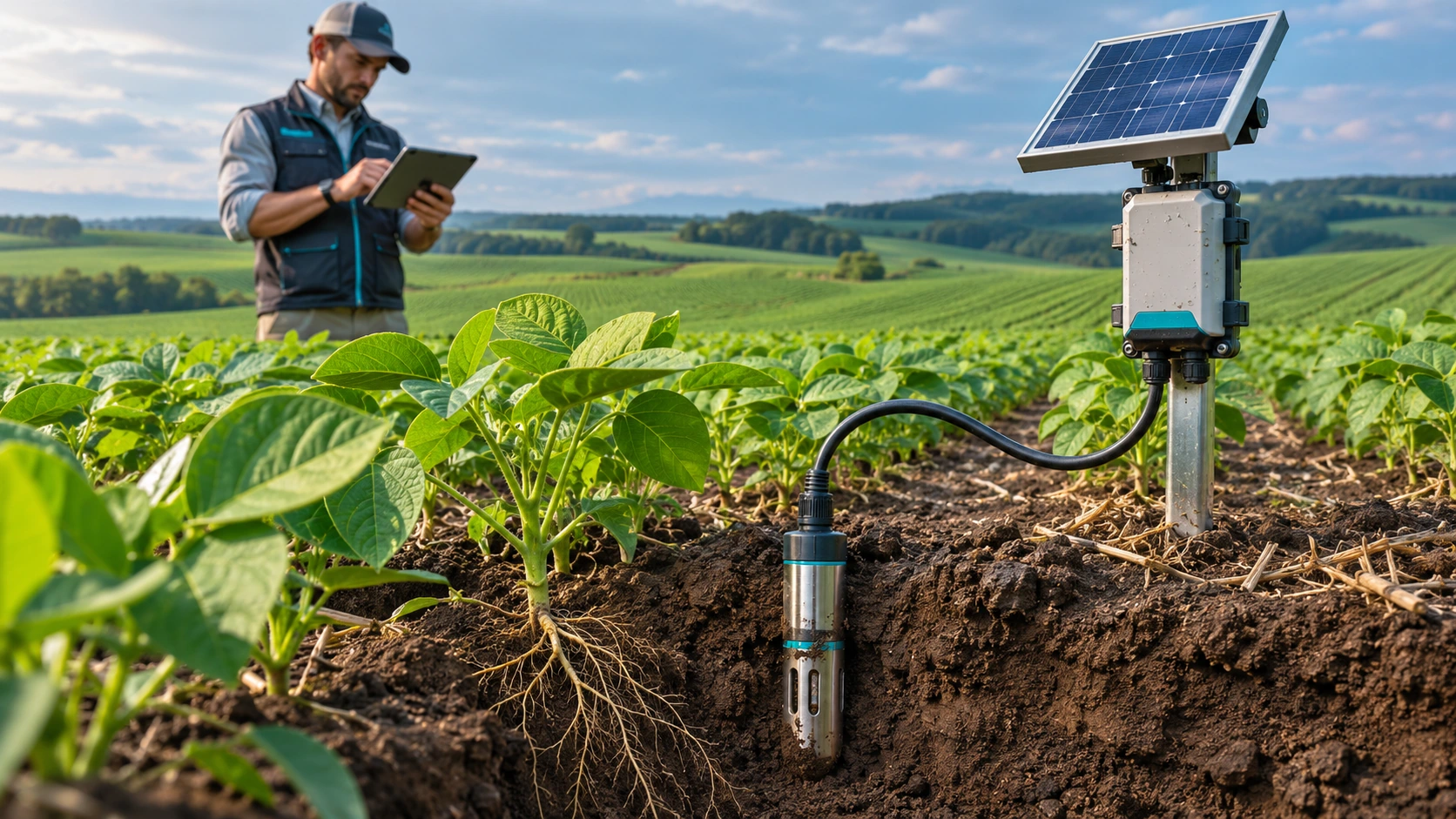
Select moisture, temperature, electrical conductivity (EC), pH and other sensors appropriate to soil, crop and measurement objectives. Distinguish direct measurements, estimated indicators and sample-analysis results; one probe does not replace comprehensive soil analysis.
Design and integration
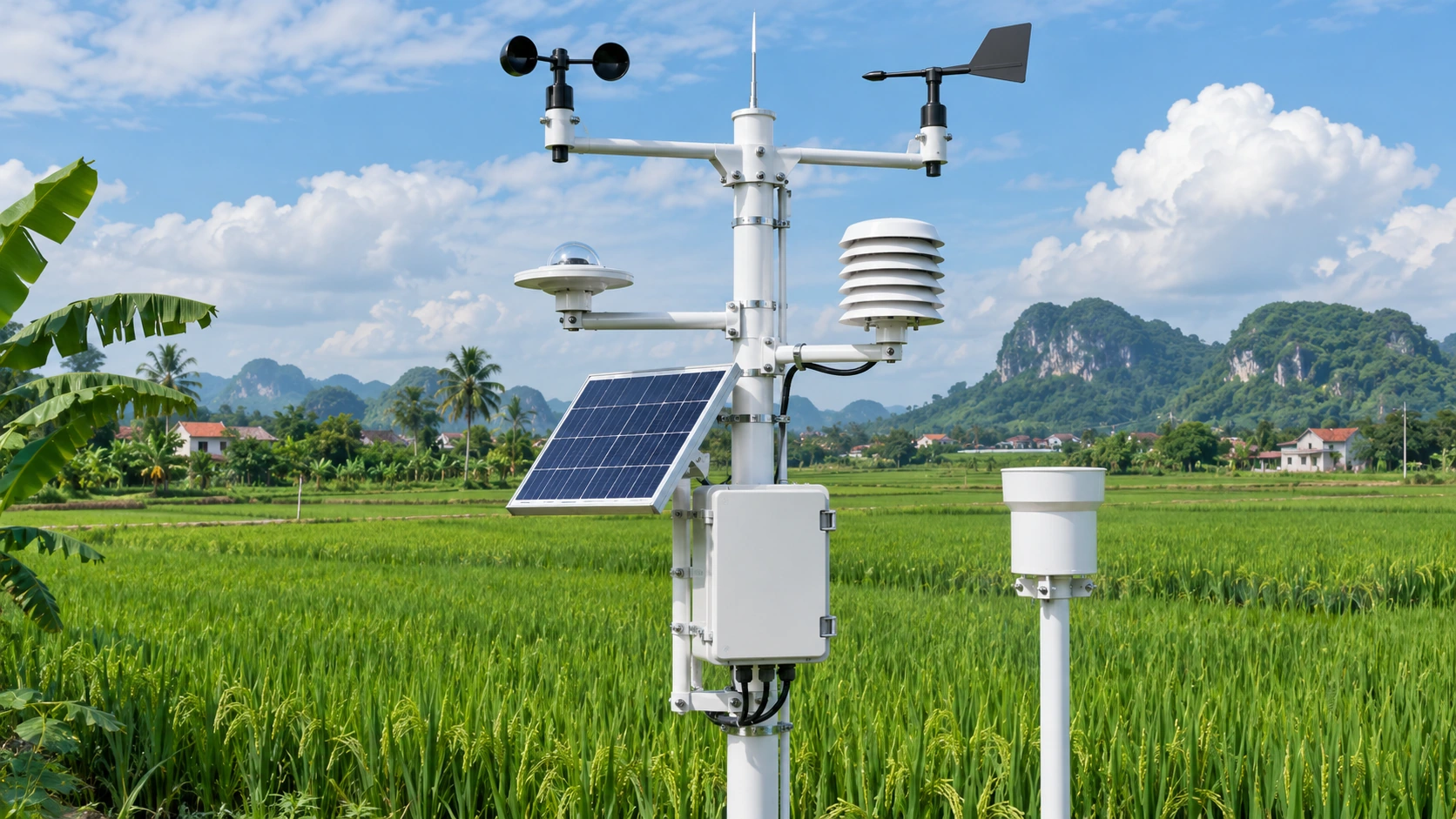
Survey soil type, site, root depth, representativeness and crop stage. Multiple measurement depths, for example 15 and 30 cm when appropriate, can be configured; points record IDs, locations, depths, units, calibration versions and times. Connect gateways and synchronize with weather and cultivation logs.
Practical applications
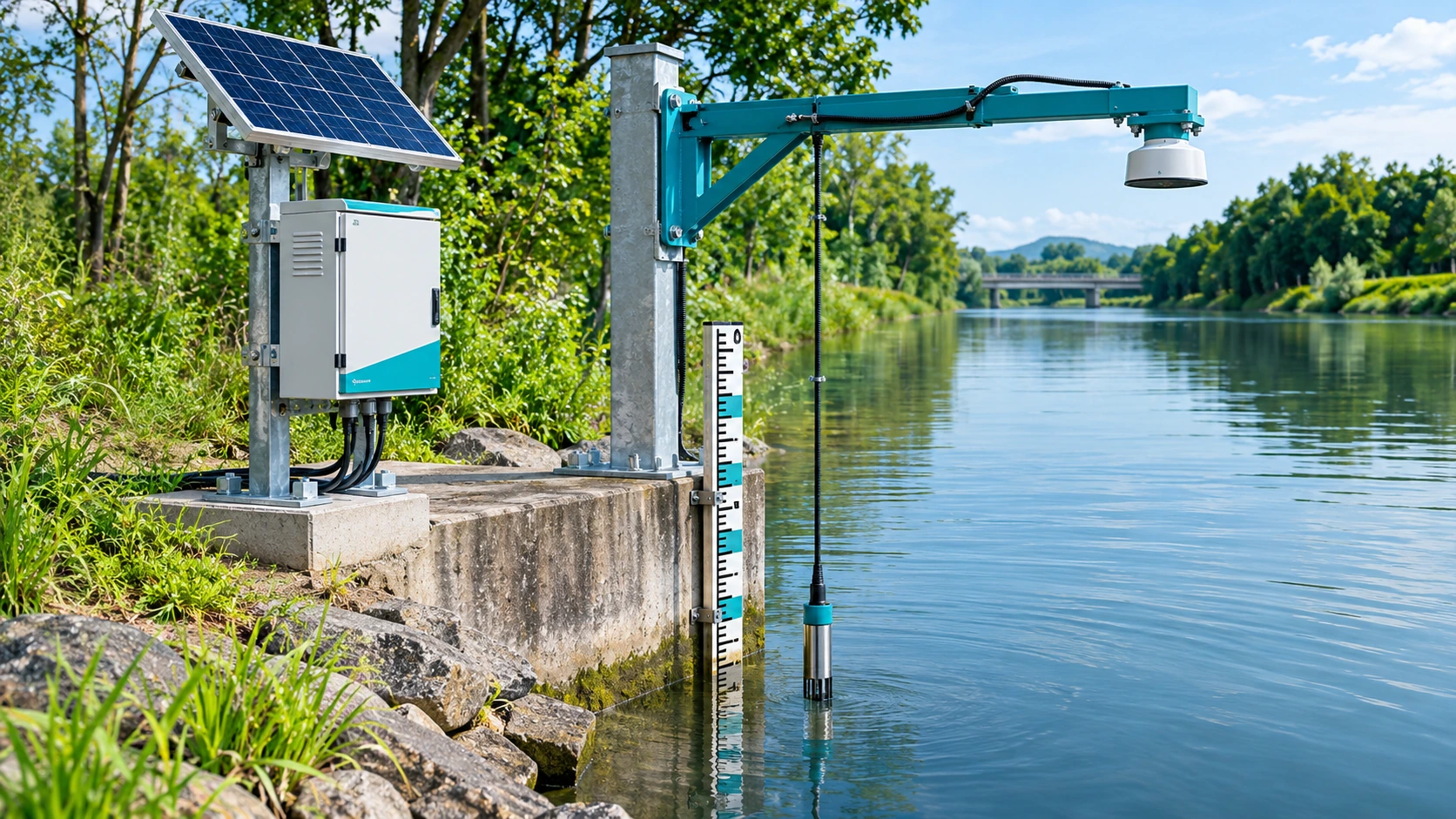
Trend charts and professional thresholds help identify low or excessive moisture, evaluate post-irrigation response and maintain water-management logs. Combine crop conditions, growth stage and soil expertise for decisions; do not infer nutrients or yield without verification.
Solution capabilities and in-depth scope
Irrigation water optimization: Reduce consumption through precision irrigation to save resources and reduce costs.
Productivity improvement: Support appropriate watering at each growth stage to help improve agricultural yield and quality.
Environmental protection: Reduce environmental impacts by limiting water waste and the risk of diseases associated with excessive irrigation.
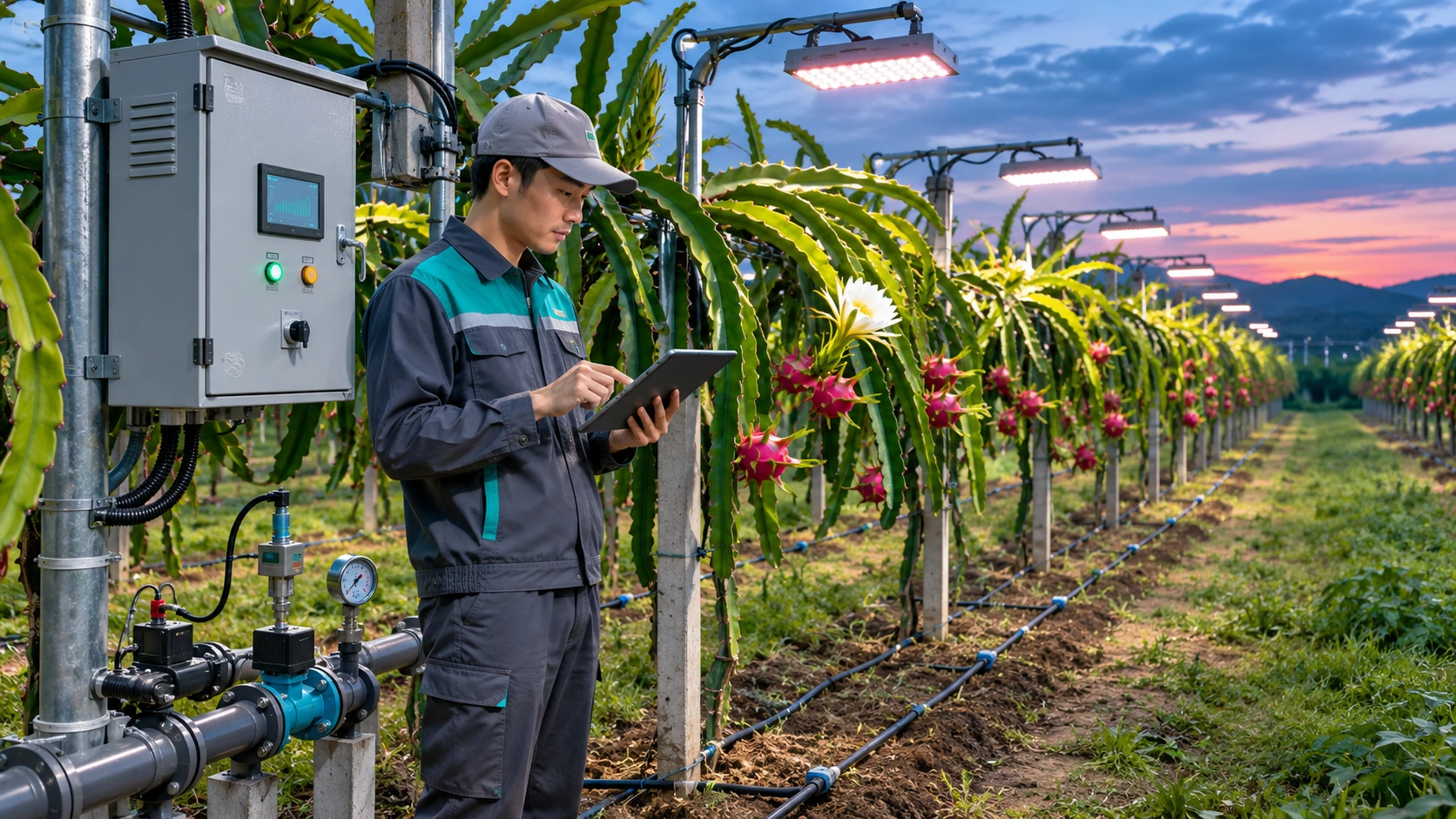
DGK's precision irrigation solution combines weather and soil moisture data with irrigation algorithms to propose suitable schedules, aiming to save water and improve productivity.
Applicable in agriculture, crop production, environmental protection and scientific research, the solution can be adapted to the size of farms and nurseries.
DGK collaborates with clients from initial concept and requirements analysis through precision irrigation deployment and ongoing support for effective operation.
Testing and transfer
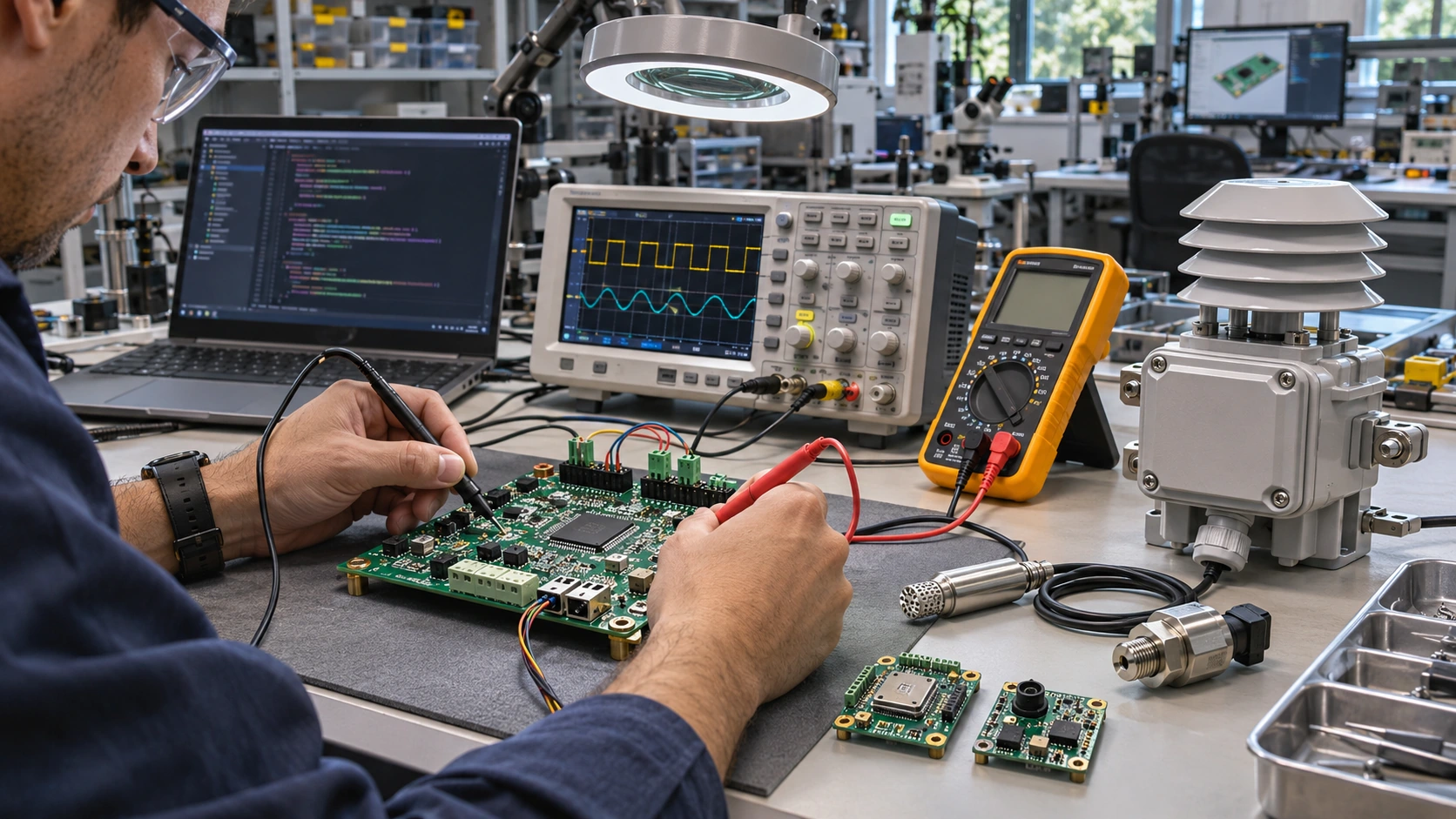
Review point IDs and depths, compare reference instruments or samples, test repeatability, synchronization and anomalies; check network outages and historical views. Deliver depth configurations, calibration and data-checking procedures, maintenance guidance and operating limitations.
References
DGK archive article 102 describes soil-moisture sensors coupled with weather data. Expanded parameters and example depths are design options requiring confirmation, not calibrated results or guarantees for every soil.