Functional scope
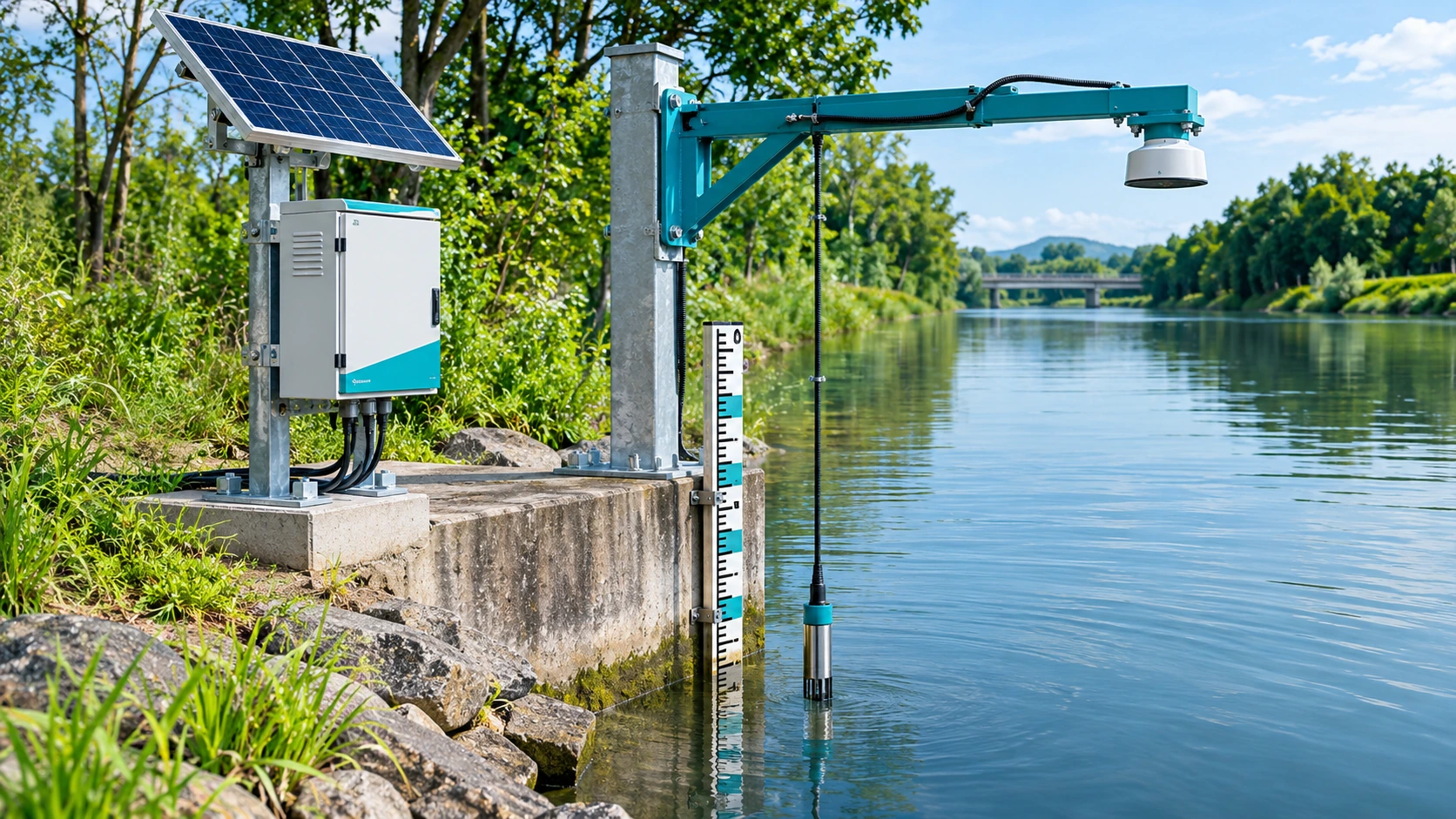
Depending on the site, measure water level, temperature, pH, EC and other quality parameters. Contact or non-contact devices and measurement methods need to suit the structure, environment and technical objective. Specialized parameters such as COD and TSS require suitable equipment, methods and validation.
Integration architecture
Each point has coordinates, reference datum, ID, range, units, calibration information and timestamp. Sensors/gateways can send data to the hub, retain histories, flag errors and provide authorized alerts. Solar or existing power supplies are chosen for installation conditions.
Practical applications
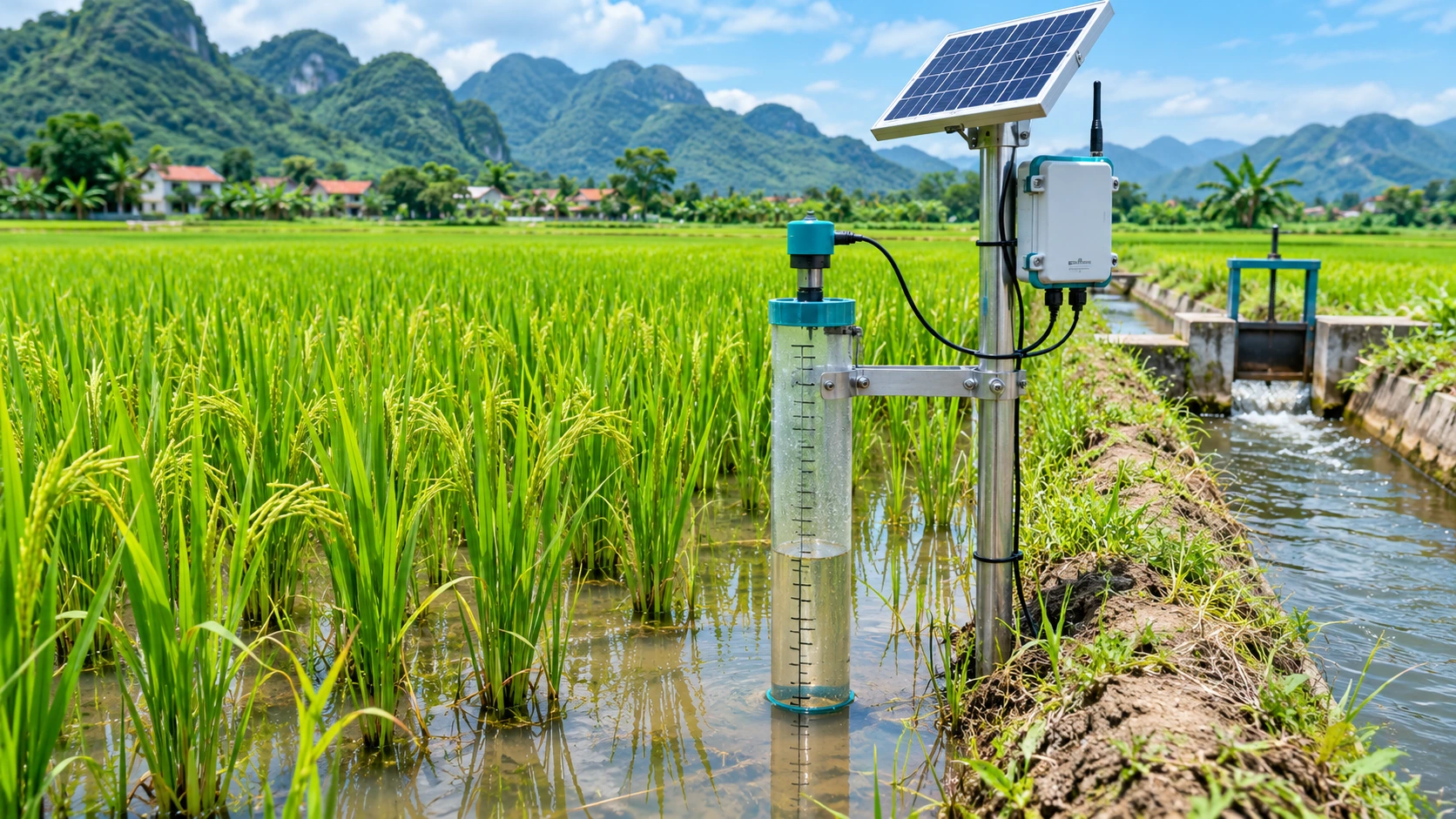
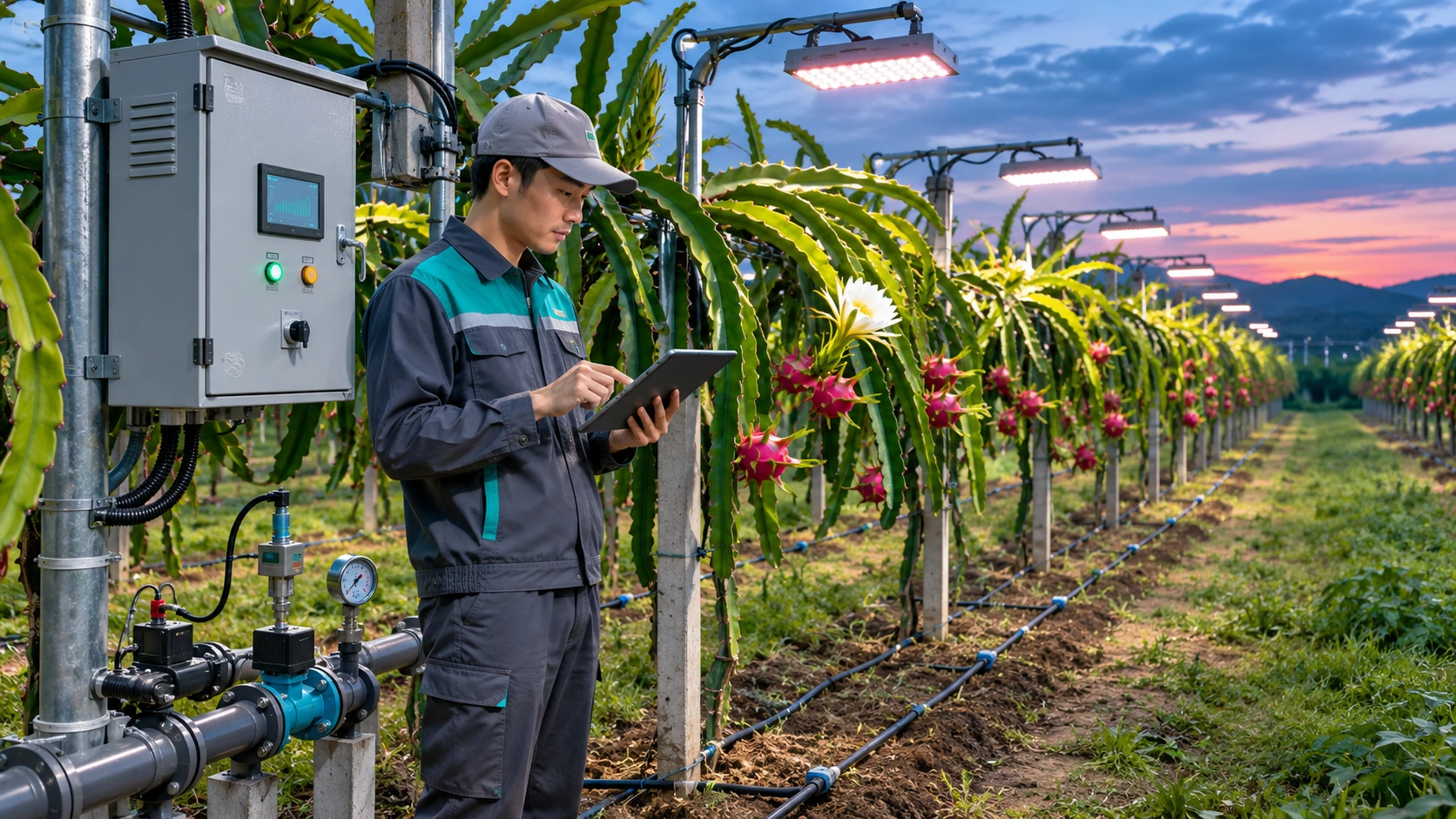
Track water levels in fields, canals, tanks, lakes, rivers and aquaculture ponds; support irrigation logs, alternate wetting and drying, water-resource operations and environmental reports. Alerts assist managers, without replacing official disaster-warning systems or professional assessments.
Solution capabilities and in-depth scope
Accuracy and reliability: Historical solution documentation proposes an error margin of ±1 cm; actual specifications depend on the sensing method, range, installation environment and calibration results.
Cross-platform monitoring: Access data through a mobile application or web interface, with Android, iOS and SaaS-compatible options.
Timely alerts: Receive notifications of water-level fluctuations by SMS or email to help respond proactively to changing conditions.
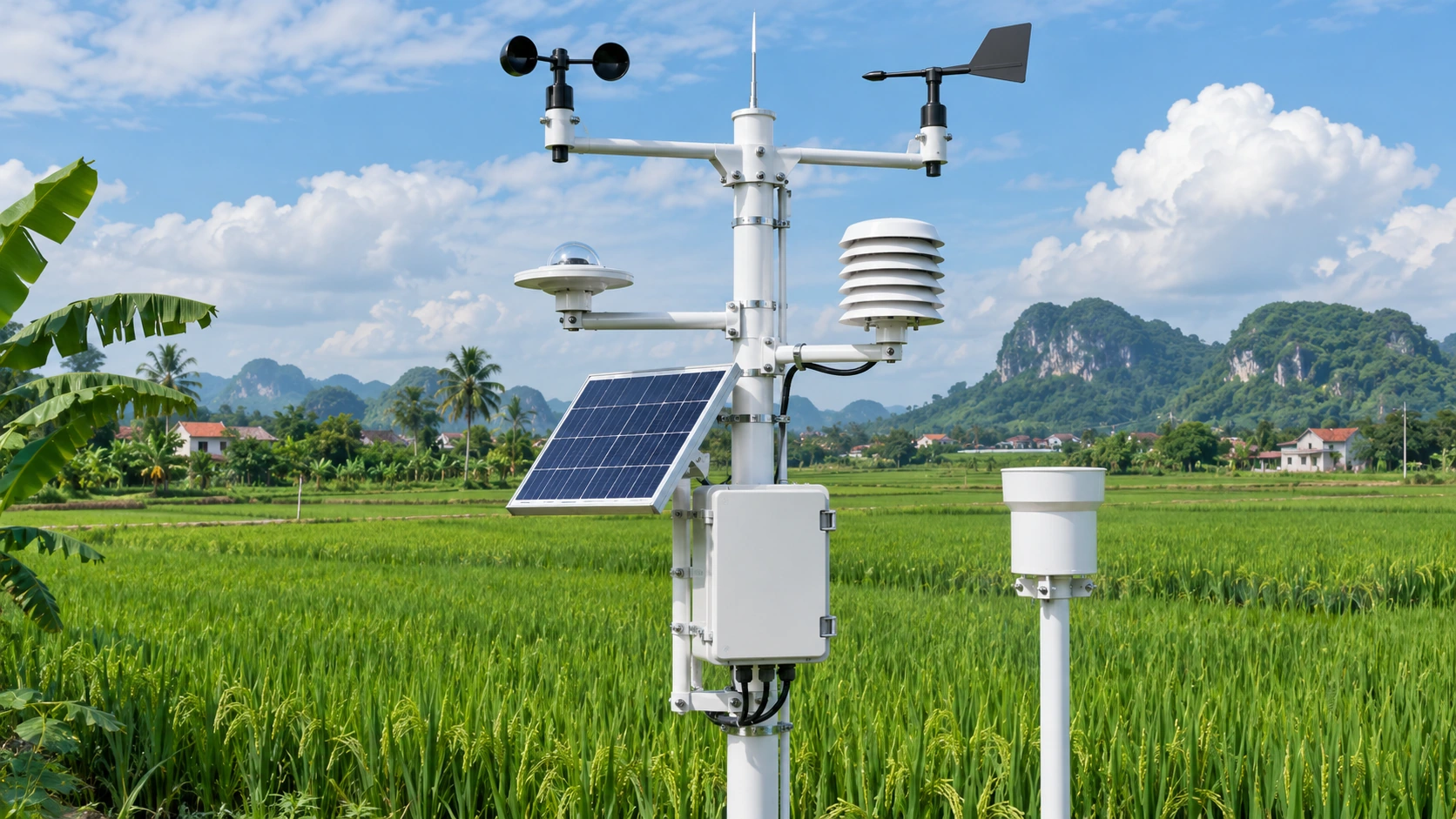
The solution combines sensor technology and visual management software for accurate, continuous monitoring. Solar power is an option; power supply, enclosure and communications must be designed for the environment.
Potential applications include water resource management, weather forecasting, flood risk management, agriculture and environmental protection.
Cost and time optimization: Solar power and non-contact measurement may reduce operating and maintenance costs.
Financial benefits: Provide data to help reduce flood risks and improve water resource management.
Risk management: Support disaster risk prevention and reduction through early warning systems.
DGK supports planning, implementation, user training and maintenance, with the aim of delivering value and meeting specific client requirements.
Testing and transfer
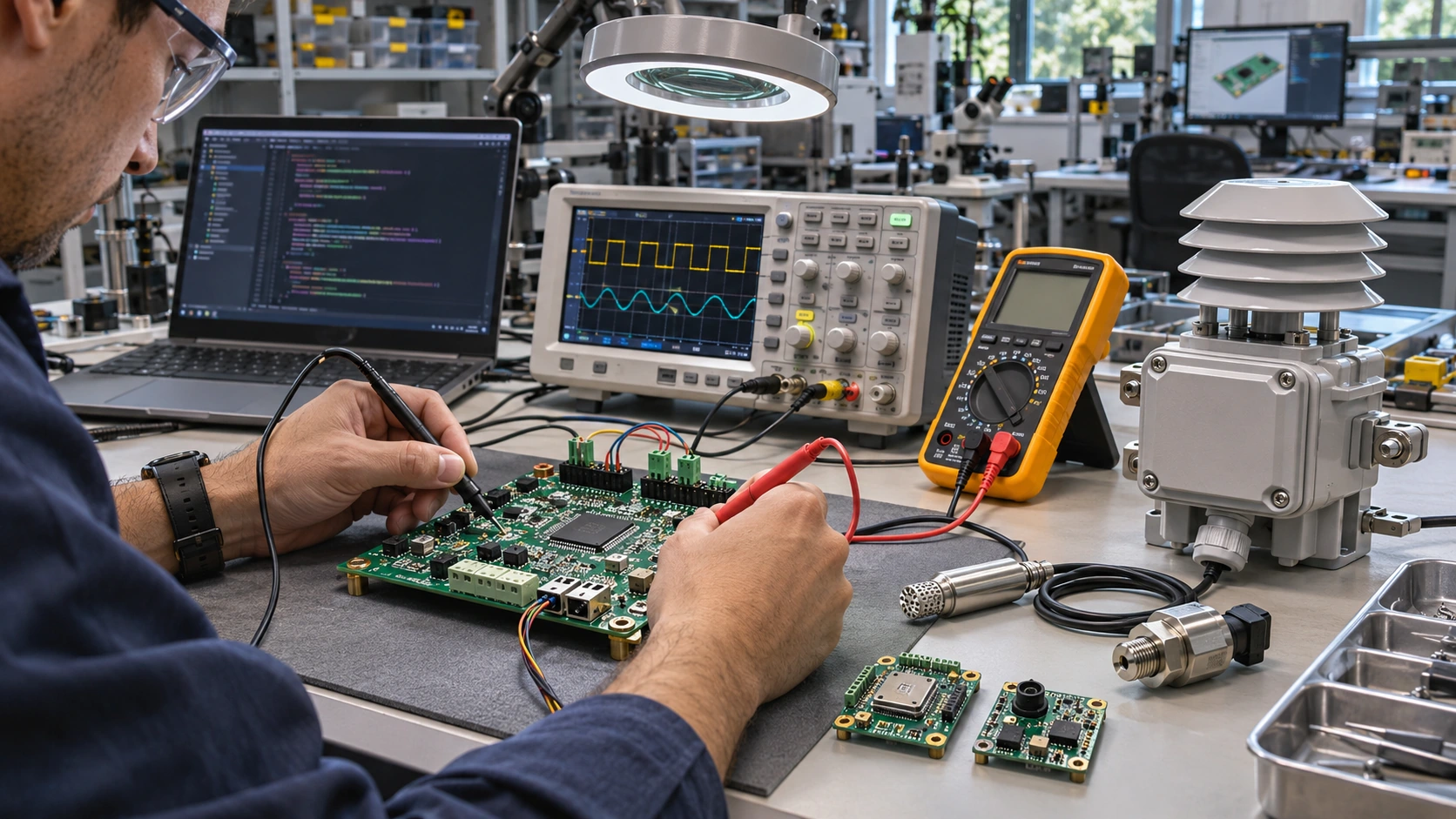
Define reference levels and compare with appropriate instruments; test agreed conditions and ranges, data quality, synchronization, power, alerts and recovery. Deliver monitoring-site records, calibration documentation, configurations, maintenance guidance and test logs.
References
DGK archive article 104 covers water-level measurement, web/mobile apps, alerts and solar power; 103 links levels with alternate wetting and drying; 174 describes water-quality monitoring. The ±1 cm figure in article 104 is a historical advertised specification requiring device confirmation and testing before inclusion in a contract.