Functional scope
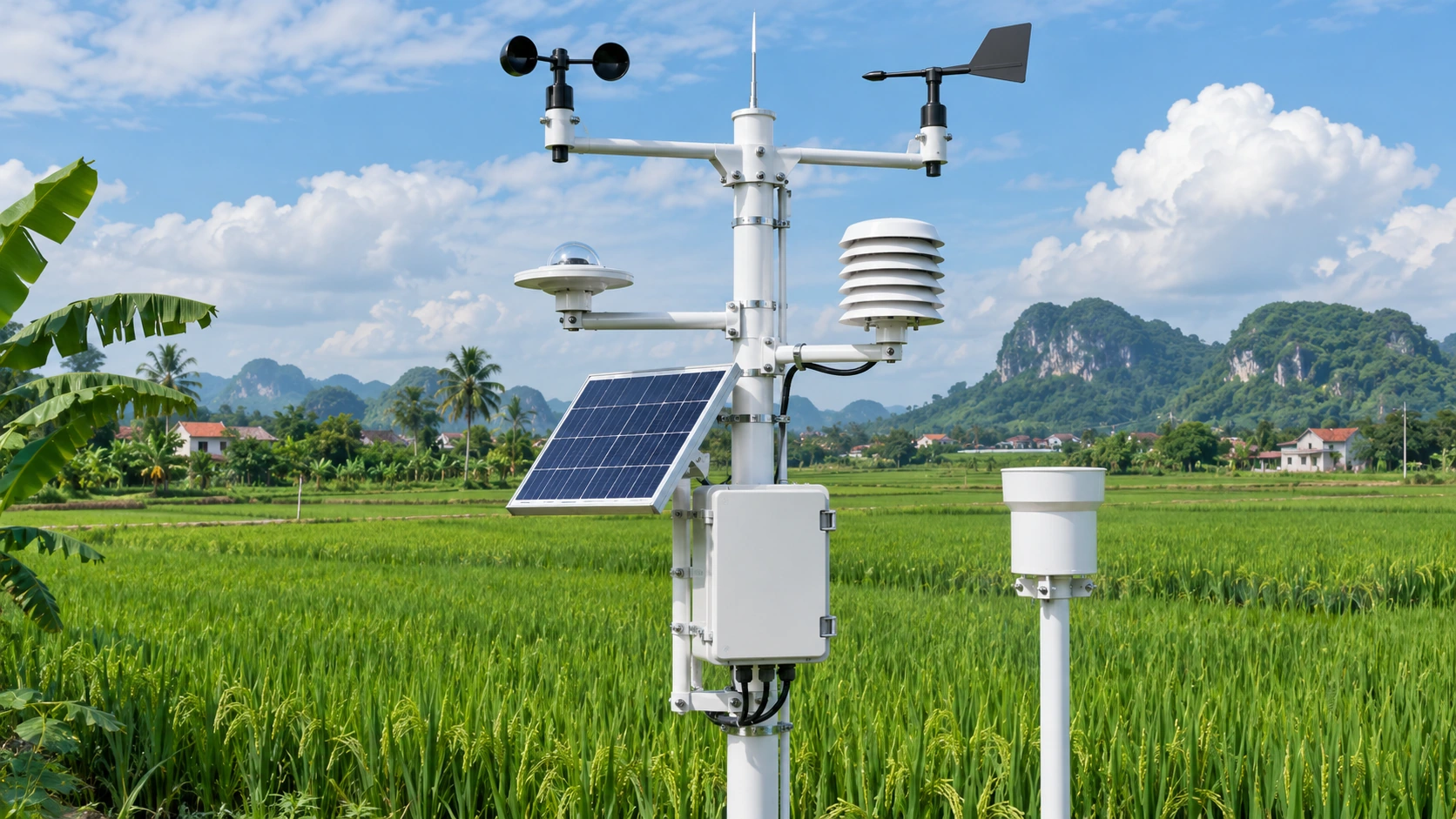
Depending on objectives, a station can record air temperature, humidity, rainfall, wind speed and direction, pressure or radiation. Design identifies necessary parameters, representativeness of locations, ranges, accuracy, recording interval and environmental conditions.
Integration architecture
Sensors, power, loggers and gateways form an identified station. Records include a timestamp, unit, measurement source and quality status; synchronize using mobile networks, Wi-Fi or LoRa depending on coverage. Flag and buffer erroneous or disconnected data and reconcile on recovery.
Practical applications
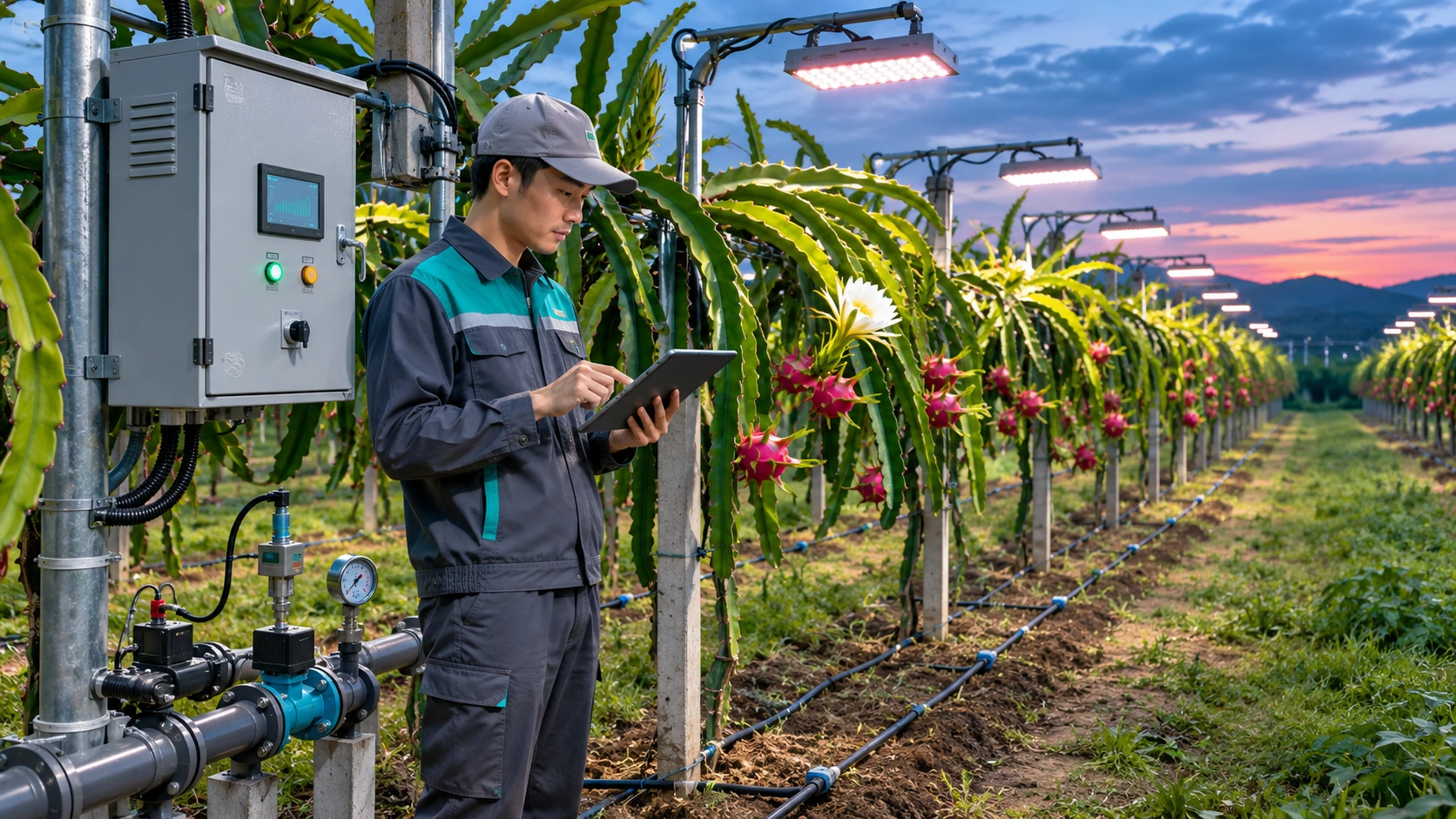
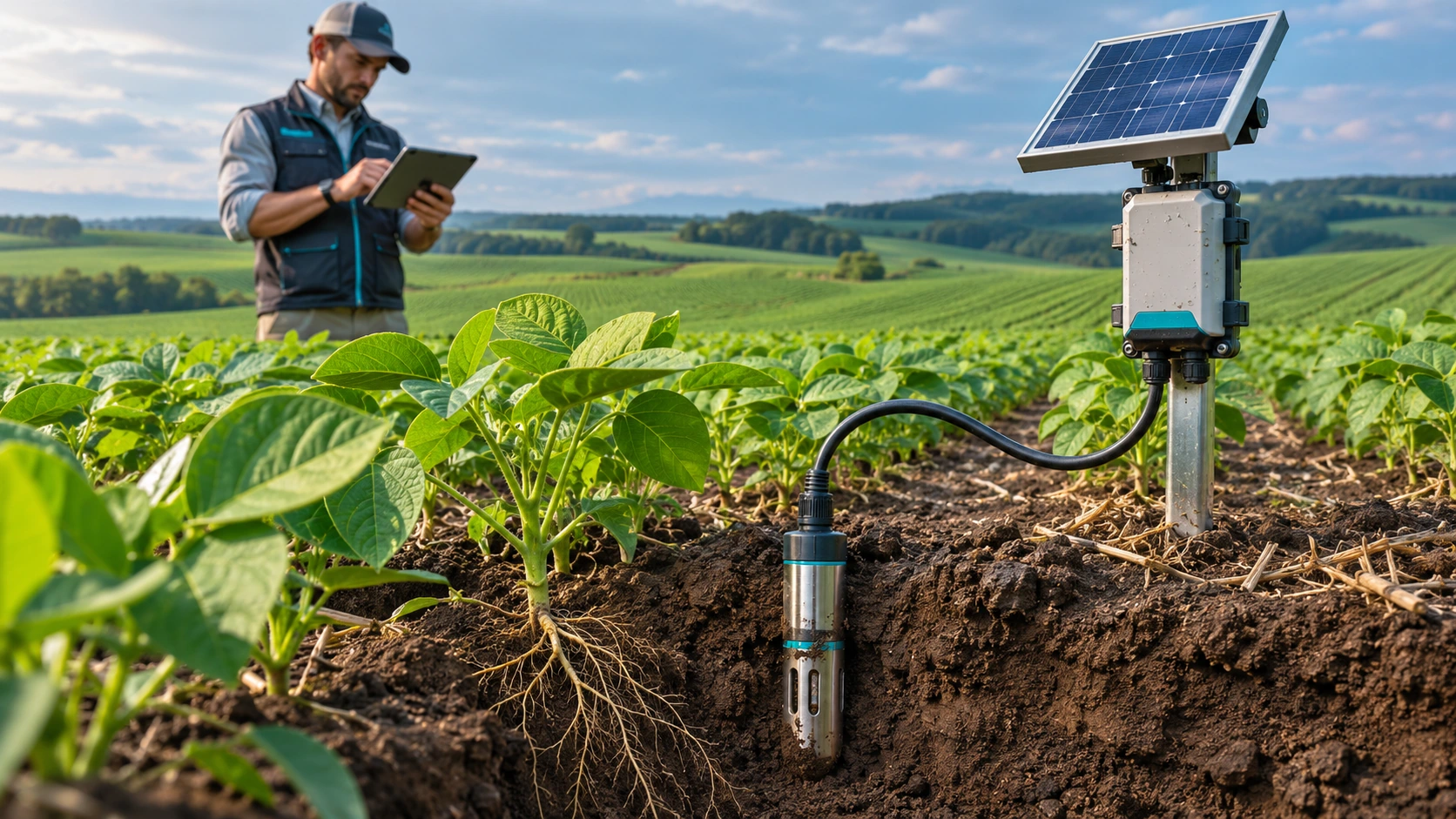
Combine weather observations with soil moisture, irrigation logs, crop stages and maps to support irrigation decisions, environmental trends, reporting and research. Specialists set alerts and thresholds; a station's readings do not replace meteorological forecasts.
Solution capabilities and in-depth scope
Monitoring technology: Select automated equipment according to required parameters, frequency, accuracy and calibration needs.
Flexibility and customization: Adapt solutions to each organization and project.
Expertise: Specialists can advise and support solution implementation.
Cost efficiency: Aim to optimize operating and maintenance expenses and improve environmental management efficiency.
DGK's automated monitoring system includes:
Water quality monitoring: Track and analyze parameters such as pH, chemical oxygen demand (COD), total suspended solids (TSS) and other relevant indicators.
Emissions monitoring: Monitor air quality and industrial emissions.
Potential applications include government, businesses, agriculture, healthcare and scientific research, supporting environmental management.
Management and operational optimization: Improve management efficiency through automated and validated monitoring data.
Cost reduction: Reduce operating and maintenance costs through automated management systems.
Risk management: Support environmental risk reduction through continuous and timely monitoring.
Implementation includes consultancy, design, construction, deployment, training and maintenance support to meet each organization's objectives and requirements.
Testing and transfer
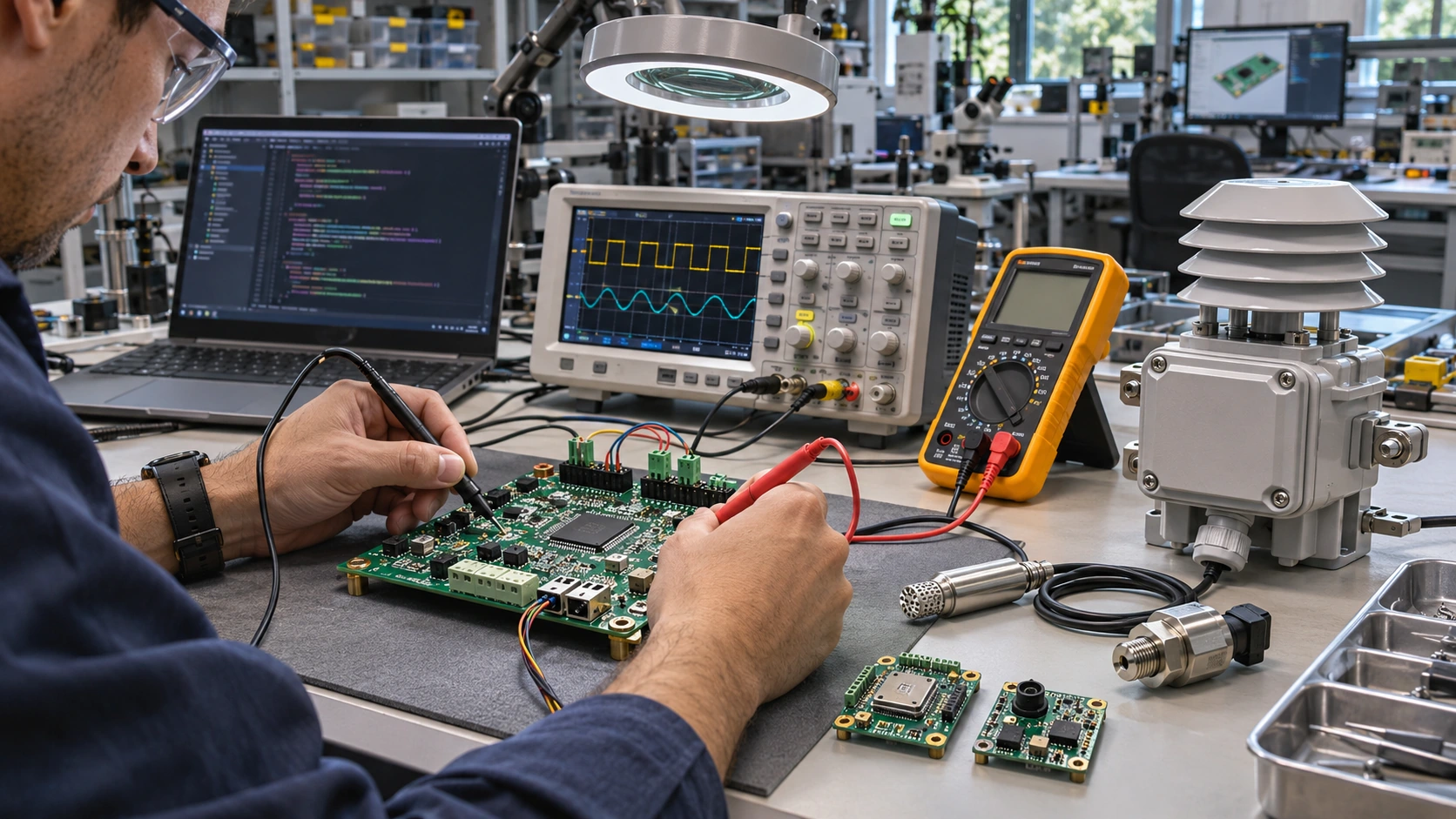
Check site, configuration, system clock and stability, and compare with appropriate reference instruments or methods; test power outages, connectivity loss, alerts and reporting. Deliver indicator lists, calibration information, operating and maintenance documentation.
References
DGK archive article 102 describes combining weather stations and soil moisture sensors for precision irrigation; article 64 lists agricultural weather data. Additional configuration here is an option requiring agreement, not verified specifications or accepted results for a particular device.